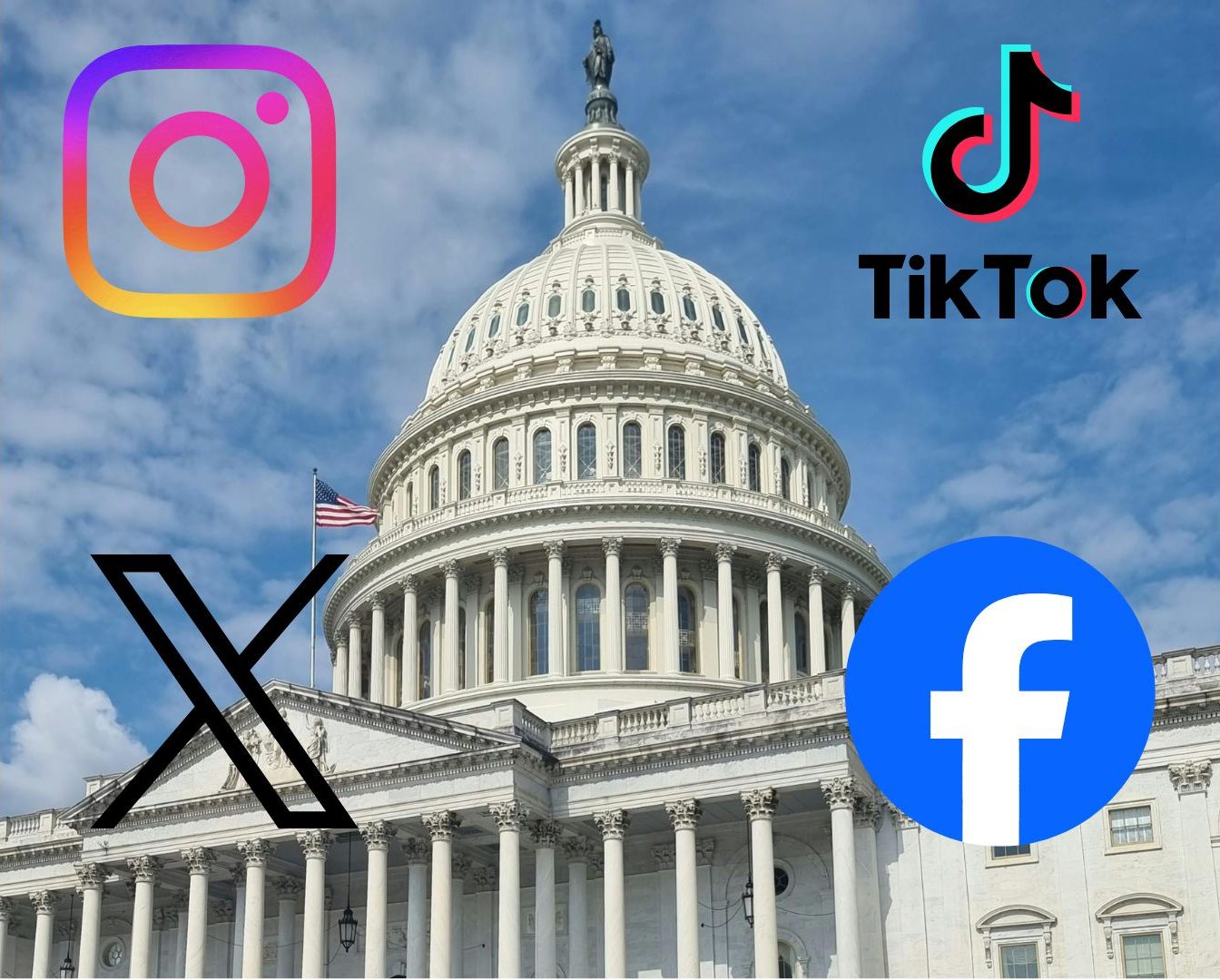
Under the First Amendment, everyone in the United States has the right to free speech. With the popularization of social media platforms like TikTok, Instagram, and X, people have a larger platform to exercise that right. People endlessly share opinions, stories, and misinformation online. Social media can enable dangerous habits like confirmation bias, but the internet can also help politicians connect to their constituents. To summarize, politics has been changed forever by social media.
The spread of misinformation
The rise of social media has given birth to a slew of unforeseen consequences which are detrimental to the American people. The Pew Research Center says that as of September 2025, approximately 55 percent of adult users on TikTok regularly receive news from the app. While reputable news sites such as the British Broadcasting Corporation (BBC) and the Associated Press (AP) regularly post to the platform, so do conspiracy theorists that lack factual information.
With High Speed Internet connecting all of the United States, it is easy for untrue and hurtful rumors to spread about political candidates. For example, on Election Day in 2024, social media users were claiming votes in New York for Democrat presidential nominee Kamala Harris were being transported to the swing state of Pennsylvania. Such an action could cause the state to turn blue, granting Harris Pennsylvania’s 19 coveted electoral votes. This theory has been widely disproven, but some still choose to believe in it.
Algorithms
Social media platforms use algorithms to choose what media is pushed out to which user. These algorithms make scrolling more enticing for the user because every video they see is specifically picked to fit their taste. This means news that people disagree with is not pushed out on their feed, leaving large pockets of the nation unaware of national news because it doesn’t align with their beliefs.
The culmination of rampant misinformation and selective algorithms perpetuates confirmation bias for many individuals. Confirmation bias is the practice of trusting new information that confirms one’s existing beliefs and disregarding anything that claims what they believe is untrue. People are inclined to search for sources that prove them right, this is why misinformation online is so dangerous. A post with little to no factual evidence can easily go viral because it confirms what viewers believe is true even if such information has been widely disproven.
Campaigning
Campaigning for any type of political office is expensive. According to Public Broadcast System News (PBS) 5.5 billion dollars was spent on the 2024 election by political parties, interest groups, and presidential nominees. Political newcomers often lack financial backing which makes it difficult to promote their campaign. Social media evens the playing field for young politicians because they can reach their constituents without spending billions.
Across the board, political campaigns are extremely different than they were in the past. Gone are the days of printed newspapers and radio broadcasts where candidates voiced their opinions. Now, voters can get a glimpse into the beliefs of politicians anytime through social media platforms like X. In addition, people running for office don’t need to rely on the backing of political parties or interest groups as heavily because they are able to run their campaigns for free online.
For example, Mayor of New York City, Zohran Mamdani, utilized social media a lot in his campaign. So much so that people living outside of the city, and even the state, were proclaiming they would vote for him. In his campaign, he went up against two older and more experienced opponents, but by pulling the younger demographic, he was able to win the race. According to exit polls, 75 percent of New Yorkers ages 18-29 voted for Mamdani, showing how useful social media can be.