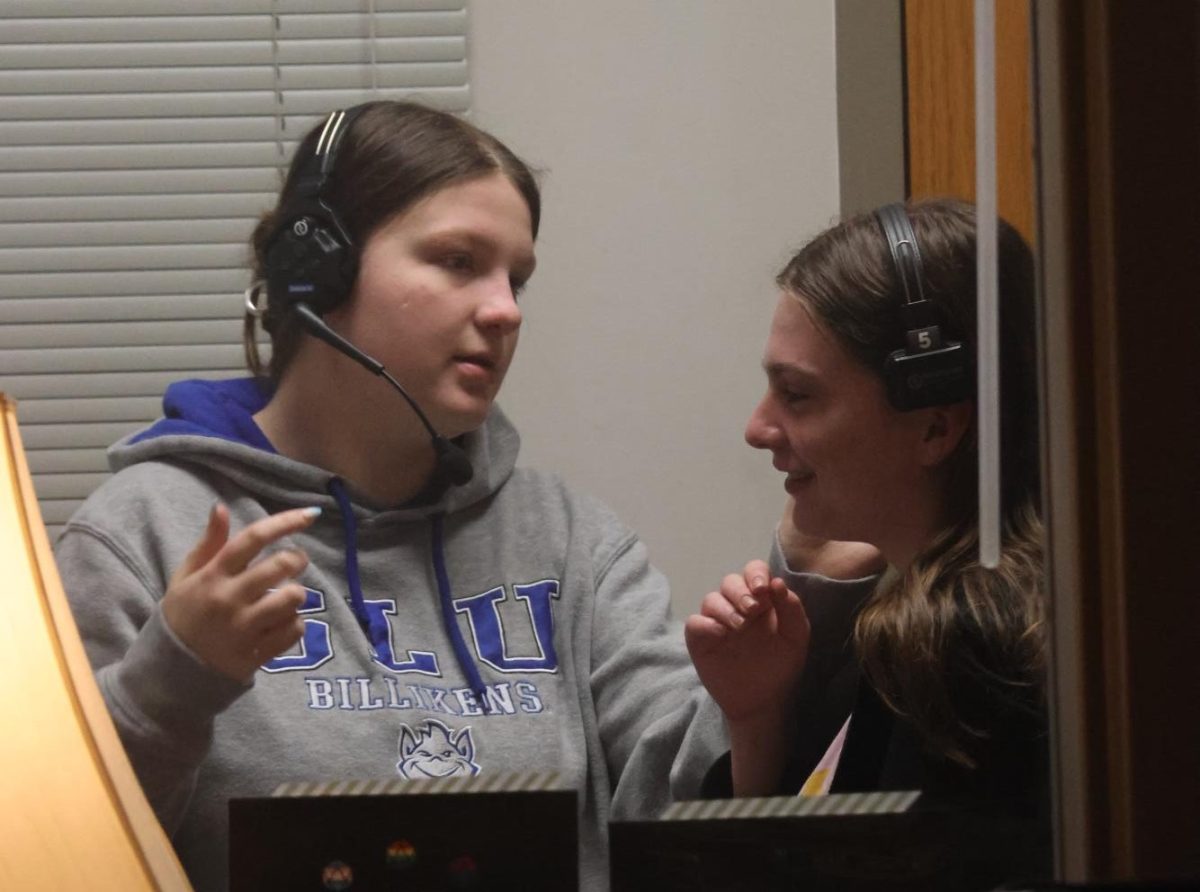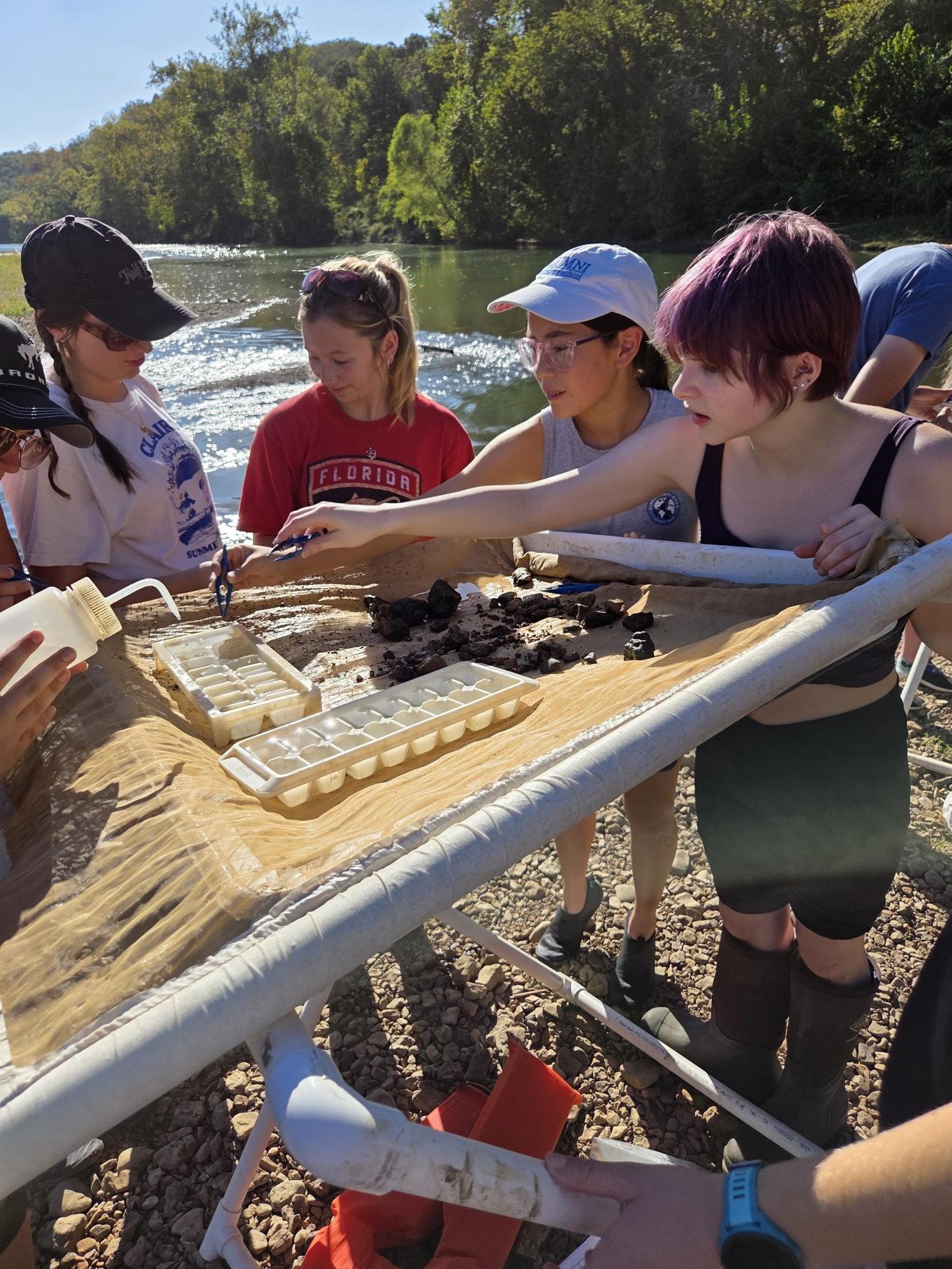
Our environment is constantly evolving, and the need for action and education continues to rise. At Summit, the Envirothon club works hard to learn about our environment. The club currently consists of six students who compete annually at the St. Louis region Envirothon, which was held on April 2 this year at Quail Ridge Park in St. Charles. In Missouri, competition is split into five regions, Summit being in the STL region, with each team having five students and any extra students being on a team of alternates, made up of other extra students from various schools. Every student on a team has one category that they primarily study, including soils, aquatics, wildlife, forestry and current events. As a team, members work together using the information they’ve studied to compete at outdoor stations where they show they can apply their skills.
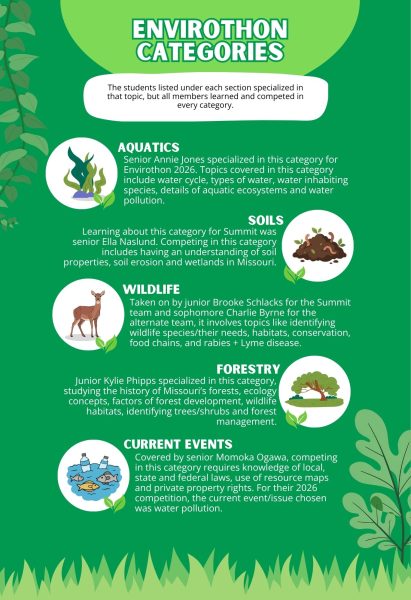
Along with these stations, they must take a written test on each topic, and finally, the team as a whole must create and give an oral presentation about a proposed solution to a problem in the community. Their given score on each section will then lead them to be placed, with the winners of the regional proceeding on to the state competition, and the winners of the state competition moving on to the National Conservation Foundation Envirothon, representing Missouri and competing against teams from the United States, Canada, and China.
To prepare for the competition, the Summit team spent time in academic labs, before and after school, and their weekends studying and learning the skills they needed. Unfortunately, the team did not place, but Envirothon sponsor Sarah Moonier said that she believes the group has a better chance of receiving a higher score next year, with more seasoned participants than the current team has.
“They were a newer team. A lot of times, the people that advance to state are veteran teams. I have high hopes [that] a lot of them want to come back, because they had a lot of fun. So hopefully next year we’ll place,” Moonier said.
Though the team didn’t win any awards, students gained new friendships and great experiences that led them to think more about what they want to do in the future.
New friendships
Through the processes of preparation and the variety of people present at the event, many students were able to meet new people and grow closer with those they already knew. Moonier said that one student in particular, sophomore Charlie Byrne, who was on the alternate team, found someone that he was able to grow close with throughout the day.
“[Byrne] came back so excited and had made friends with some of the other teammates, [and] I just think that’s so fun. My own daughter was in Envirothon a few years ago, and she made a lot of friends with kids from the other schools too. That was just kind of heartwarming that people go in [intimidated,] thinking [they’re] gonna have to do something hard with other people [they] don’t know, and then it turns out that it was a lot of fun,” Moonier said.
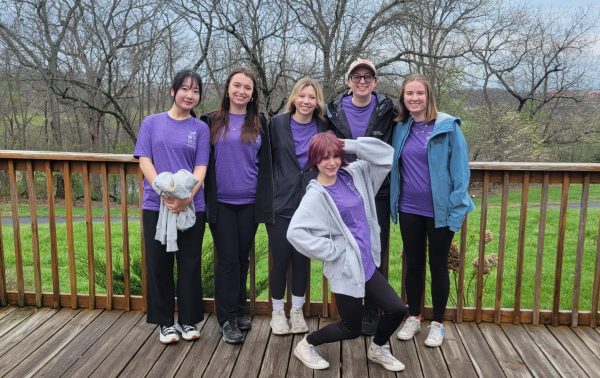
Envirothon ran for a majority of the day, so Byrne explained how it was hard to avoid becoming friends with those you were working with.
“When you’re stuck talking to people during a competition for seven hours in a day, you start to become pretty friendly [with] those people,” Byrne said.
Through Envirothon, the students didn’t just meet new people, but they also bonded with those they already knew, which junior Kylie Phipps said was made easier through car rides and practices.
“With the car rides we couldn’t have that awkward silence. We just talked and got to know each other. And it was great, because, turns out, we have a lot of [similar] interests, and even just being put in a stressful situation with people can kind of bond you,” Phipps said.
New ideas about careers
Students involved have various opportunities to learn about career paths within the environment, which Moonier said included talking to biologists and other scientists.
“They have weekend trips that the conservation department hosts, [so] they went to Shaw [Nature Reserve] in the fall, and they learn water quality studies, they catch macro invertebrates, they learn how to study trees, name them and measure them. And then in the winter, they have one at Busch Wildlife, and they had a wildlife biologist there and some soil scientists, so they learn a lot about careers,” Moonier said.
Phipps explained that initially, she wanted to teach at an elementary school, but after participating in Envirothon, her ideal job has shifted to include environmental studies.
“I wanted to be an elementary teacher, and I still want to be an elementary teacher, but I think being in AP Environmental Science and joining Envirothon has opened my eyes to a lot more really cool things within nature and the environment, and I want to work with that, so I’m kind of reconsidering my career. How can I teach environment stuff, or can I go to a place to teach [at] a state park or something where I can teach what I love,” Phipps said.