In 2024, annual visitation numbers at designated conservation sites in the United States reached an all-time high of 331 million. This number decreased to 323 million in 2025. With some decline in attendance so far in 2026, President Donald Trump’s budget, staffing, and other cuts to the National Park Service (NPS) have proven to be detrimental.
In May of 2025, Trump proposed a cut of over 1 billion dollars to the NPS in his FY2026 appropriations act in order to increase funding for other areas such as defense and technological advances. This act, which was passed by Congress in February this year, planned to cut funds for the NPS by 37%. In reality, only a 2% decrease in funding was seen; however, it still carries many consequences.
In February of 2025, more than 1,000 national park employees, including rangers, botanists, and more, were terminated from their positions in an effort to decrease the federal workforce. This event was highlighted on social media, sparking much controversy and backlash for the decision.
One of the most affected parks, Big Bend National Park in west Texas, is down to only half of its permanent staff since the Trump Administration took office. Due to this, the park has had to make extensive reductions in maintenance, ranger-led services, and most importantly, educational programs. These educational programs serve to teach parkgoers about many topics, including lessons about local history, geology, and more. Big Bend fosters this learning through programs such as Web Rangers, which brings educational services to kids at home or in the classroom.
However, the staff at Big Bend is now stretched thin, and with other important programs taking precedence, some of the educational aspects are at risk of being cut.
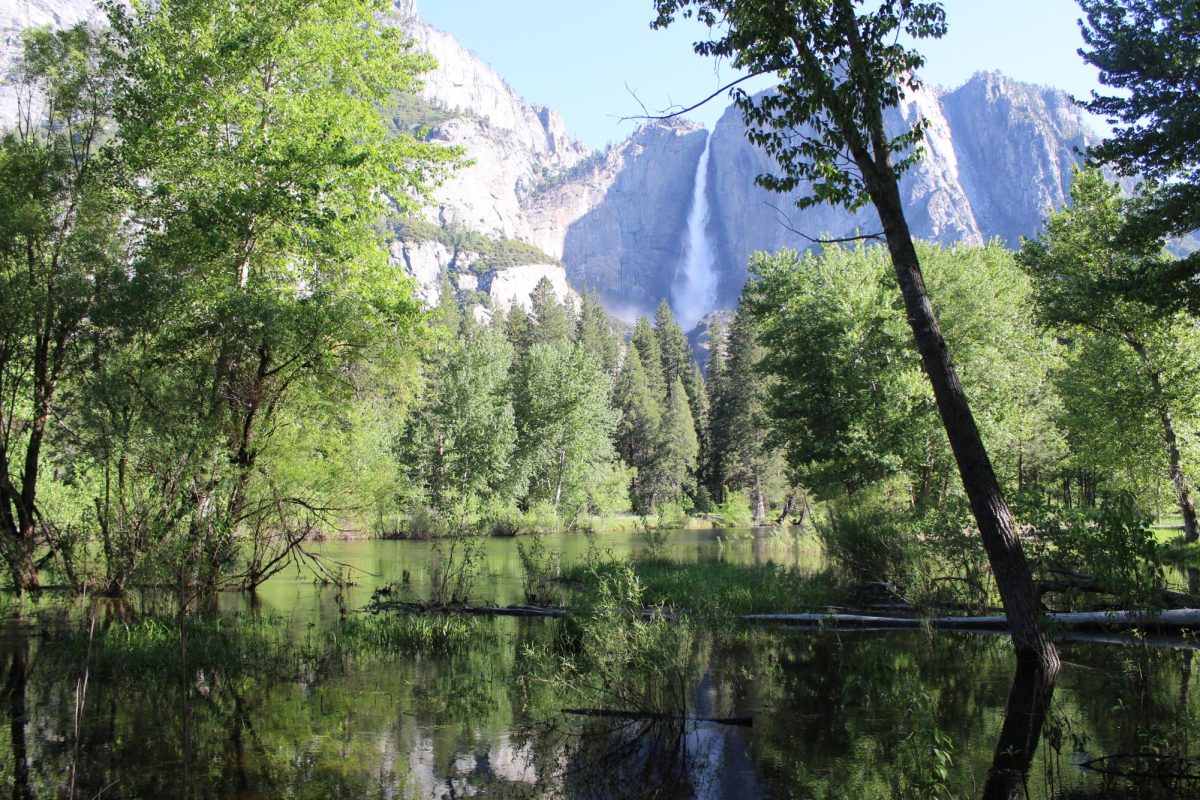
Being raised in a family that went on many road trips, I’ve visited my fair share of national parks, including the Badlands, Great Smoky Mountains, and my favorite, Yosemite. Through constantly visiting these protected areas, I’ve learned so much about nature and the history of our country, gaining appreciation for it. Honestly, some of my favorite parts about visiting the national parks are getting to talk with the rangers and the countless opportunities to learn about the environment and the importance of conservation.
Removing foundational educational programs at these parks has the potential to greatly impact the awareness of the growing population. Budget reductions to these services to boost funding for defense or artificial intelligence programs can and will change the trajectory of the country as a whole. Education about the environment, the world around us, and the ground upon which we stand is something so influential to every child and adult’s development, and needs to be protected.